
Managing People, Process, and Plan - A Systematic Approach to Organizational Success
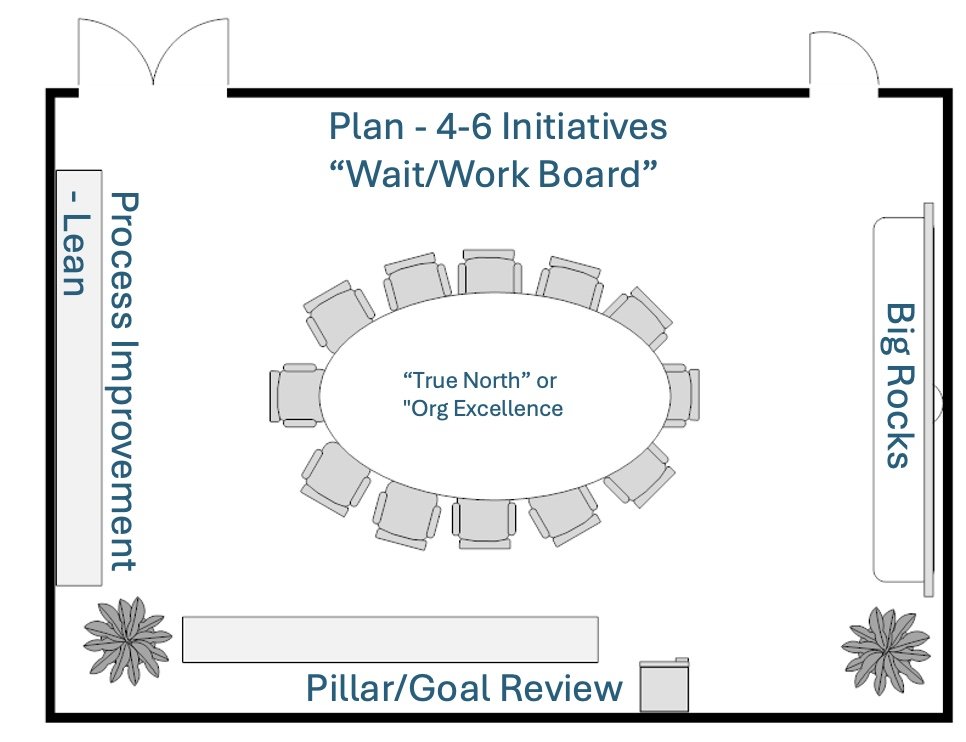
In many healthcare organizations, the key to achieving success lies in effectively managing People, Process, and Plan. To truly harness this triad, it requires a disciplined, structured approach that keeps the entire team aligned with the organization’s mission, strategic goals, and improvement initiatives. One highly effective method for maintaining this alignment and keeping progress on track is what I call the "Around-the-Room Review."
This blog will explore how to set up a structured review process by utilizing the physical layout of a room to track progress and address key strategic priorities in a systematic way.

Creating Synergy Between People and Process: Using Lean to Improve Emergency Department Efficiency and Patient Experience
Emergency departments (EDs) are a pivotal point of entry for patients requiring urgent medical attention, making ED efficiency a critical metric for hospitals. The Centers for Medicare & Medicaid Services (CMS) developed several performance measures to track how well hospitals manage patient flow, including the measure OP-18b: the median time from emergency department arrival to emergency department departure for discharged patients. This measure, while commonly used as a benchmark for time-based performance, is more than just a number. It reveals opportunities for improving patient flow, reducing bottlenecks, and enhancing overall patient experience through effective teamwork and process optimization.
By leveraging Lean Process Improvement principles, hospitals can reduce inefficiencies and enhance coordination between departments, allowing patients to move more seamlessly through the emergency department. But achieving these results requires more than just good processes—it requires a synergy between the people working at the front lines of patient care and the processes designed to streamline their work. This article explores how a thoughtful combination of “People” and “Process” can help hospitals not only meet the CMS OP-18b standard but also significantly improve the quality of care and the patient experience.

Measuring Success Through Strategic Pillars
Delivering sustainable results requires more than just setting broad organizational targets. It’s about creating a system where every aspect of the organization, from leadership to individual departments, aligns its efforts with a unified purpose. To accomplish this, I propose using a “Pillar” framework by which we measure the success of our efforts across the critical areas of People, Process, and Plan (Employee Engagement/Culture, Lean Process Improvement, and Strategy).
These strategic pillars - Quality, Workforce, Patient Satisfaction, Finance, and Community - serve as foundational guides that shape our future. Each pillar will have overarching organizational goals that cascade down to specific departmental objectives, creating a cohesive framework where every hospital department plays an active role in achieving the organization’s mission.
Best Practices for Cultivating a Strong Organizational Culture
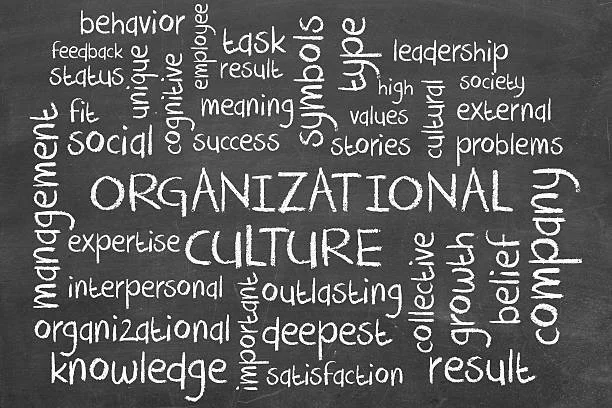
Fostering a strong organizational culture is a competitive advantage and a key factor in driving employee engagement, patient satisfaction, and operational success. A thriving culture doesn’t happen by accident; it is cultivated through intentional leadership and active participation from all levels of staff. This blog explores two critical themes: (1) how consistent leadership expectations, guided by evidence-based practices, can create an environment where staff excel, and (2) the importance of gathering input from staff on the organization’s future, fostering a culture of inclusion and ownership.

Emotional Intelligence: Tools for Personal and Team Growth
Emotional intelligence (EI) has emerged as a vital skill for both personal and professional success. Understanding your own emotions and those of your team members can create a more cohesive, productive, and empathetic workplace. At its core, emotional intelligence is about awareness, control, and expression of emotions and handling interpersonal relationships judiciously and empathetically. But how can you measure and improve your emotional intelligence? Thankfully, there are tools and assessments designed to help you better understand yourself and your team.
In this post, I will discuss some key assessments I have taken, which have provided invaluable insights into my emotional intelligence and the dynamics of team.

The Power of Organizational Culture: How Strong Culture Elevates Staff Relationships and Patient Care
In healthcare, we often focus on clinical outcomes, patient satisfaction scores, and operational efficiency. But beneath these metrics lies something fundamental to every hospital’s success: its culture. A strong organizational culture isn’t just a buzzword—it’s the very foundation that supports positive staff relationships and enhances the quality of care patients receive.
When a hospital or healthcare organization fosters a healthy, supportive culture, the effects ripple through every aspect of the organization, from staff morale to patient outcomes. In contrast, when culture is neglected, even the best clinical practices can falter under the weight of disconnection and discontent.

Parking Future Ideas: The Role of a 'Wait/Work' Board in Strategic Execution
In our previous discussion about managing the "big rocks"—those major, resource-intensive initiatives critical to an organization’s success—we explored the importance of dedicating focus and resources to what truly drives value. However, as any leader knows, while current strategic initiatives are being executed, new ideas, opportunities, and potential projects constantly emerge. How can organizations balance the need to advance these "big rocks" while ensuring that promising new initiatives aren't neglected?
This is where the concept of a "wait/work" board becomes an invaluable tool. By creating a place to "park" future initiatives, organizations can focus on the present without losing sight of what lies ahead.