
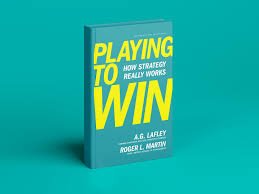
Differentiation Isn't a Feature List: Using Playing to Win to Operationalize Porter in a Rural Hospital
There is a familiar exercise that plays out in hospital boardrooms across rural America. A consultant or a new CEO gathers the leadership team and asks what makes the hospital different. The flip chart fills up quickly: we know our patients by name, we have great nurses, we're committed to the community, we offer compassionate care, we're investing in technology, we're recruiting new specialists. Everyone nods. The list goes into the strategic plan. A year later, margins are worse, the regional system across the county line has bought another physician practice, and nobody can quite explain why the strategy isn't working.
The reason is that almost nothing on that flip chart is strategy. It is, in Michael Porter's terms, a description of operational effectiveness wearing strategy's clothes. And it is precisely the trap that independent rural hospitals fall into when they try to compete with regional systems by becoming smaller, friendlier versions of them.
This post is about how to escape that trap. It combines two of the most useful frameworks in modern strategy, Michael Porter's 1996 essay What Is Strategy? and A.G. Lafley and Roger Martin's Playing to Win (2013), and applies them to one of the hardest strategic environments in American business: the independent rural hospital. The focus throughout is on differentiation, because differentiation is where Porter is sharpest, where rural hospitals are most confused, and where the combination of these two frameworks does its best work.